
Understanding Your Event Goals
Planning a memorable outdoor event requires a deep understanding of your goals. Every successful event begins with a clear definition of its purpose and desired outcomes. By aligning your vision with practical steps, you ensure the event caters to attendees while meeting your overall objectives. Whether you’re hosting a corporate gathering or a private celebration, being intentional about your goals sets the foundation for all future planning stages. Additionally, consider utilizing resources such as https://www.casablancahire.co.uk/ for expert insights on event organization.
Defining Event Purpose and Theme
Begin by identifying the core purpose of your event. Is it to celebrate a milestone, educate an audience, or promote a product? Each purpose brings different thematic elements that guide decisions from venue selection to decor. For example, an annual gala might focus on elegance and sophistication, whereas a community festival may celebrate local culture and engagement.
Once the event’s purpose is established, choose a theme that aligns with it. A well-defined theme enhances attendee experience and provides a cohesive structure for event planning. Consider how color schemes, decoration styles, and overall ambiance can reflect the chosen theme. A unique and compelling theme piques interest and ensures that your event stands out.
Identifying Target Audience
Understanding your target audience is crucial for tailoring your event to meet their preferences. Start by creating audience personas that delineate demographics, interests, and behaviors. Consider aspects such as age, profession, and social engagement levels. For instance, an event targeting young professionals may prioritize networking opportunities and vibrant entertainment, while one aimed at retirees could focus more on leisurely activities and nostalgia.
Engaging your audience from the initial stages can also foster excitement. Utilize surveys or focus groups to gather input from potential attendees, ensuring that their voices are considered in event planning. The feedback can shape everything from entertainment choices to food options, ultimately creating an event that resonates with your target demographic.
Establishing a Budget Framework
Budgeting is a pivotal component that dictates the scope and scale of your event. Begin by listing all potential expenses, which may include venue costs, catering, entertainment, decor, and promotional materials. It’s essential to prioritize your spending based on what elements are most critical to the event’s success.
In addition to estimated costs, always allocate a contingency fund—typically around 10-15% of your total budget. This cushion can handle unexpected expenses or adjustments that arise during the planning process. Throughout, maintain a detailed tracking system to ensure financial transparency and accountability, allowing you to stay on target with your expenditures.
Choosing the Right Venue
The choice of venue can significantly influence the overall experience of your event. It’s one of the most important decisions you’ll make, as it not only impacts aesthetics but also logistics such as accessibility and capacity. Below are key factors to consider when selecting the ideal venue for your outdoor event.
Factors to Consider for Venue Selection
When selecting a venue, analyze critical elements such as location, size, and amenities. Accessibility is paramount—ensure the venue is convenient for your attendees and has adequate parking options. Consider how the venue’s layout supports the flow of your event. Will there be multiple breakout areas or a central space for presentations?
Evaluate the venue’s facilities, including restroom availability, electrical outlets for equipment, and provisions for inclement weather if your event is outdoors. Safety standards are equally important; ensure that emergency protocols and first-aid provisions are in place. Lastly, consider the venue’s aesthetic appeal—does it align with your theme and enhance the attendee experience?
Outdoor Venue Options
Outdoor venues present unique opportunities to incorporate natural beauty into your event. Parks, botanical gardens, and private estates can offer stunning backdrops that elevate the guest experience. When choosing an outdoor venue, assess how well it aligns with your theme and purpose.
Furthermore, think about amenities that outdoor venues may offer. Some may provide built-in facilities like tents, sound systems, or outdoor kitchens, which can reduce your overall costs. Additionally, think about how to incorporate outdoor elements such as lighting, seating arrangements, and even scenic views to enhance the ambiance.
Inspection Checklist for Venues
Before finalizing your venue choice, conduct a thorough walkthrough. Develop a checklist that includes crucial items to assess, such as cleanliness, accessibility, and available facilities. Pay attention to crucial aspects like parking and transportation options that might affect guest turnout.
Also, inquire about flexibility for layout configurations. The ability to adapt the space to your needs can greatly influence the event flow. Documenting your findings can assist in comparing different venues and help in aligning with your overall goals for the event.
Designing the Event Setup
Creating an inviting and aesthetically pleasing event space is key to engaging your guests. Design incorporates various elements, including decor, seating arrangements, and lighting, and each should enhance the overall theme without overwhelming the attendees.
Incorporating Luxurious Decor Elements
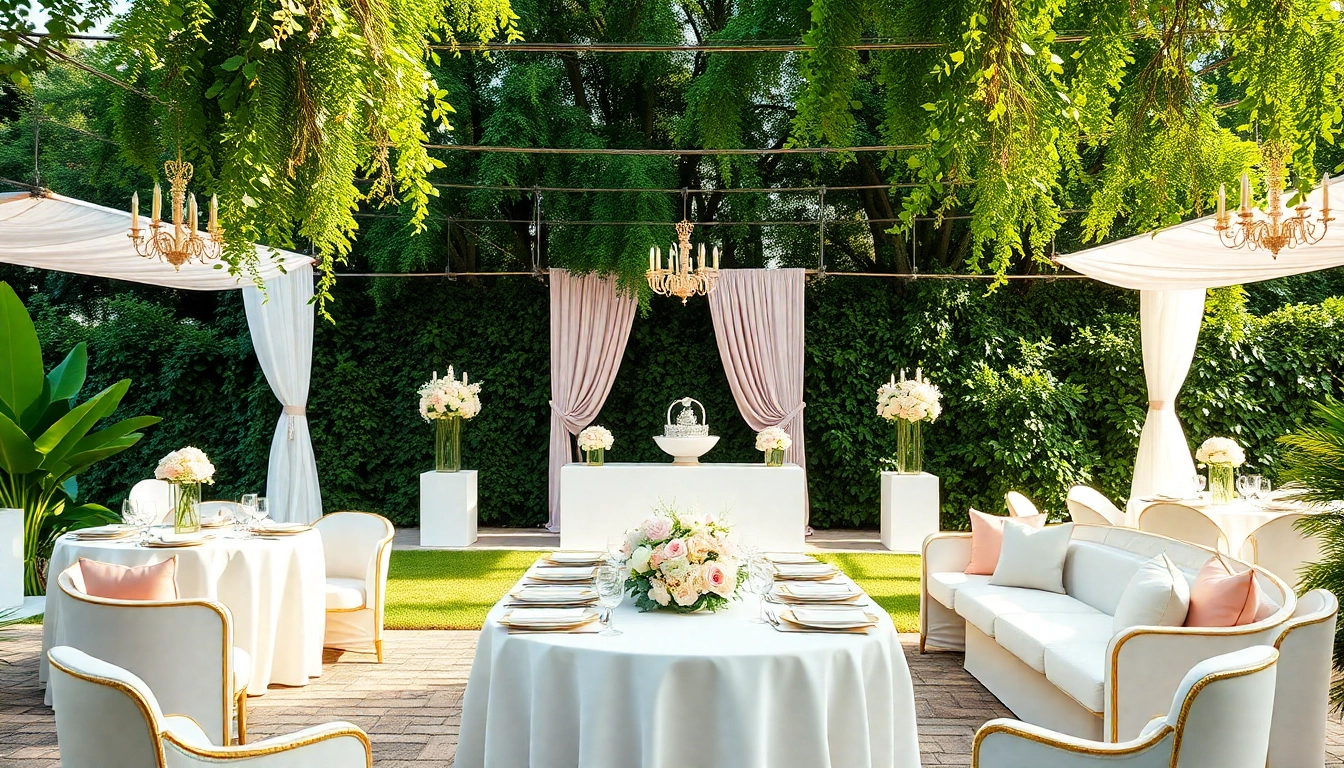
Luxurious decor can transform an ordinary space into an extraordinary experience. Consider using high-quality fabrics, elegant centerpieces, and ambient accessories to evoke a sense of opulence. Elements like chandeliers, rich textiles, and curated artwork can add sophistication to your event.
Color schemes also play a vital role in creating a luxurious atmosphere. Select a palette that resonates with your theme and encourages a mood aligned with the event’s purpose. Twilight hues, rich jewel tones, and metallic accents can elevate your event design while captivating guests’ attention.
Table Arrangements and Layout
The layout of your event greatly affects guest interaction. Thoughtfully planned table arrangements can encourage mingling and foster connections among attendees. Consider the use of round tables for seamless conversation or long banquet tables to create a communal atmosphere.
Incorporate elements such as place cards, floral arrangements, and personalized table settings to enhance the dining experience. Ensure that seating is comfortable and allows for ease of movement. Strategically placed food and drink stations can promote socializing while minimizing long lines.
Lighting Options to Enhance Ambiance
Effective lighting can dramatically shift the atmosphere of your event. Utilize a combination of natural light and artificial lighting to create a welcoming environment. Soft, diffused lighting can add warmth, while colored uplighting can reinforce your theme.
During nighttime events, consider string lights or lanterns for a whimsical touch. Ceiling fixtures or candles can also create focal points within the decor and improve the overall ambiance. Be mindful of lighting placement to ensure visibility and enhance attendee experience without being overpowering.
Managing Logistics Effectively
Logistics management is integral to seamless execution. It encompasses several elements, from vendor coordination to event-day timelines, ensuring that all moving parts come together harmoniously.
Hiring Reliable Vendors
Your choice of vendors can significantly impact the event’s success. Select professionals whose work aligns with your vision, and check reviews or previous work examples to gauge their reliability. Schedule interviews or test tastings with caterers, view samples with decorators, and ensure the photography style resonates with your theme.
Contractual agreements should outline all expectations, timelines, and payment schedules to protect both parties and minimize disputes. Establish strong communication channels to maintain consistency and prevent misunderstandings as the event date approaches.
Creating a Timeline for Event Day
A well-crafted timeline can streamline the event day experience, ensuring every task is executed on schedule. Start by outlining the entire event flow, from setup to wrap-up, and factor in crucial items like vendor arrivals, guest check-in, and activities.
Assign specific responsibilities to your team or volunteers to maintain accountability. During the event, appoint a point person to manage unforeseen issues, allowing for real-time adjustments to maintain the atmosphere and flow.
Developing a Contingency Plan
No event is immune to the unexpected, which is why developing a robust contingency plan is essential. Identify potential risks that could affect your event, such as weather conditions or technical malfunctions, and outline specific strategies for each.
For outdoor events, ensure there are plans for adverse weather, such as tents, indoor alternatives, or communication procedures for guests. Effective preparation can alleviate stress and ensure the event continues smoothly, regardless of hurdles faced.
Evaluating Event Success
Post-event evaluation is crucial to assess how well your goals were met and to identify areas for improvement in future events. Gathering actionable insights not only enhances future planning but also demonstrates responsiveness to attendee experiences.
Setting Key Performance Indicators
Before your event, establish clear Key Performance Indicators (KPIs) related to your goals—these could include attendance numbers, engagement levels, or ROI from sponsorships. KPIs provide measurable targets to evaluate the success of your event objectively.
Post-event, analyze these metrics to determine what worked well and what needs refinement. Surveys and quantitative data offer valuable insights into guest satisfaction, allowing you to adjust future planning based on real feedback.
Gathering Feedback from Attendees
Feedback from attendees is invaluable for improving future events. Create informal feedback opportunities during the event, such as comment cards, or formal follow-up surveys after the event. Ensure questions are varied, combining quantitative scales and open-ended responses to gather comprehensive insights.
Engage with social media platforms to capture attendee reactions and comments. This real-time feedback reflects public perception and can drive improvements, enhancing the attendee experience in upcoming events.
Documenting Lessons Learned for Future Events
Documenting lessons learned can refine your planning processes for future events. Create detailed post-event reports that outline successes, challenges, and actionable steps for improvement. Include data collected, attendees’ feedback, and vendor performance evaluations.
This report serves as a pivotal reference point for future events, allowing for continuous enhancement and more strategic planning over time. Utilize this information to adjust your approaches, ensuring each event becomes better and more aligned with your objectives than the last.
FAQs
How do I define the purpose of my event?
Identify the main reason for your event—celebration, education, networking, etc. Reflect on what outcomes you hope to achieve and tailor activities around that goal.
What should I consider when selecting a venue?
Consider accessibility, capacity, amenities, and how the venue aligns with your event’s theme and purpose to ensure an optimal attendee experience.
How do I create a budget for my event?
List all potential expenses, prioritize necessary expenditures, and allocate a contingency fund for unexpected costs. Keep detailed tracking to stay on budget.
How can I gather feedback after my event?
Utilize post-event surveys, comment cards, and social media engagements to collect both qualitative and quantitative feedback from attendees about their experiences.
Why is it important to evaluate my event’s success?
Evaluating success helps identify what worked and what didn’t, providing critical insights for improving future events. It also measures whether goals were met.

