
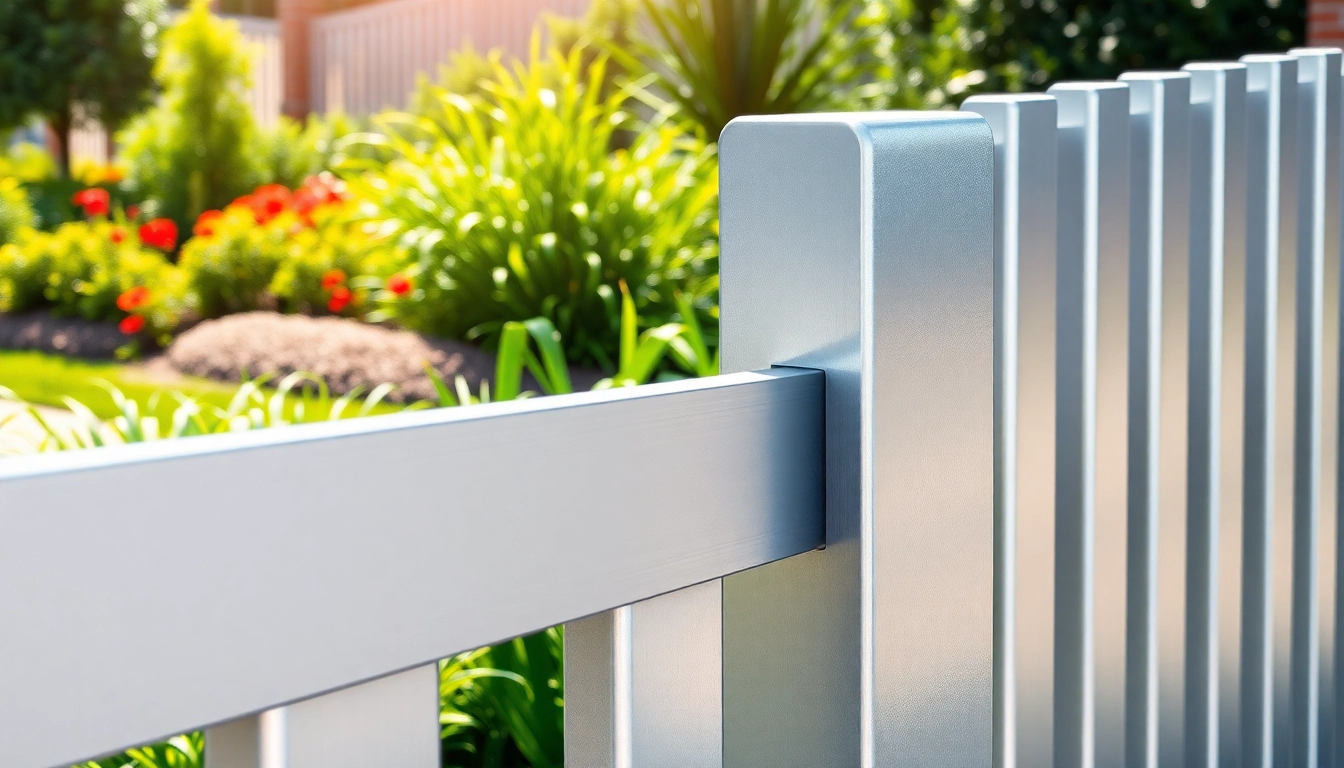
Understanding Metal Fence Panels
Metal fence panels have gained immense popularity in modern landscaping and security solutions due to their durability and aesthetic appeal. These panels offer a robust fencing choice for both residential and commercial properties. If you’re considering installing a metal fence, understanding the various types available, their benefits, and typical use cases will enhance your decision-making process. For more insights on quality options, refer to www.metalfencepanels.co.uk.
Types of Metal Fence Panels
Metal fence panels come in a variety of types, each with unique features and benefits tailored to different applications:
- Chain Link Fencing: This is one of the most economical options, ideal for commercial properties and applications where visibility is essential. Chain link is also simple to install and maintain.
- Picket Fencing: Often used in residential areas, metal picket fences provide aesthetic value while maintaining visibility. They are available in various designs and finishes.
- Wrought Iron Fencing: Known for its strength and elegance, wrought iron provides a classic appeal. It is highly customizable and offers impressive security.
- Aluminum Fencing: Lightweight yet durable, aluminum fences are resistant to rust, making them ideal for coastal areas. They mimic the appearance of wrought iron without the heavy upkeep.
- Steel Panels: Tough and strong, steel panels provide excellent security and are often used in industrial settings. Their ability to withstand harsh weather makes them an ideal investment for long-term security.
Benefits of Metal Fencing
Choosing metal fencing comes with numerous advantages that can enhance your property:
- Durability: Metal fences resist weather conditions, pests, and rot, ensuring longevity.
- Low Maintenance: Unlike wood, metal fences require minimal upkeep; occasional cleaning and inspections suffice.
- Security: The robust nature of metal makes it a formidable barrier against intruders.
- Aesthetics: With a variety of styles and finishes, metal fences can complement any property design.
- Eco-Friendly: Many metal fencing options are recyclable, contributing to sustainability.
Common Use Cases
Metal fences are versatile and suitable for various applications:
- Residential Properties: Used primarily for boundary definition, security, and enhancing curb appeal.
- Commercial Properties: Offers security and delineation for warehouses, offices, and retail spaces.
- Agriculture: Metal fencing can protect livestock while being durable against environmental challenges.
- Parks and Public Areas: Provides secure areas for playgrounds and facilities, safeguarding public properties.
Factors to Consider When Selecting Metal Fence Panels
When choosing metal fence panels, several critical factors will influence your selection process:
Durability and Maintenance
Durability is perhaps the foremost consideration when selecting metal fence panels. Evaluate the materials used—steel fences tend to offer the greatest strength and longevity. Maintenance also plays a role; for example, while wrought iron is sturdy, it may require periodic painting to prevent rust. Comparatively, aluminum and galvanized steel offer better resistance to elements and often necessitate less maintenance.
Design and Aesthetic Appeal
The choice of design impacts not only the appearance of your property but also its market value. Contemporary designs may favor sleek aluminum panels, while classic homes might benefit from elaborate wrought iron fencing. Consider how the design aligns with your property’s architectural style to enhance its visual appeal. Custom options are often available for many metal fence types to suit your specific preferences.
Cost and Budget Considerations
The cost of metal fencing can vary widely based on material and style. It’s essential to set a budget that accommodates not just the purchase of panels but also installation, which could be a DIY project or involve hiring professionals. Do not overlook long-term value; investing a bit more initially can result in significant savings over time due to lower maintenance and replacement needs.
Installation Tips for Metal Fence Panels
Proper installation is crucial for ensuring that metal fence panels stand the test of time. Here’s how to effectively plan and execute the installation:
Preparation and Planning
Before installation begins, conduct thorough site preparation. Identify property lines and local zoning regulations regarding fence height and aesthetic guidelines. This preliminary step ensures compliance and prevents future disputes. Additionally, gather all necessary permits to avoid unnecessary delays.
Tools Needed for Installation
To install metal fence panels effectively, assemble the following tools:
- Measuring tape for accurate spacing and positioning
- Post-hole digger or auger for installing fence posts
- Level to ensure fence panels are aligned
- Power drill with compatible drill bits and screws
- Gardening gloves to protect your hands
Step-by-Step Installation Guide
- Measure: Determine the total length needed for the fence and plan the spacing for your posts.
- Mark: Use stakes and string to create a clear outline of your fence line.
- Dig: Use a post-hole digger to create holes for your posts, ensuring they are deep enough to stabilize the fence properly.
- Install Posts: Place the posts into the holes, checking for vertical alignment with a level. Secure the posts using concrete.
- Attach Panels: Begin to attach the metal panels to the posts starting from one end. Use screws to secure them tightly.
- Final Touches: Once all panels are secure, inspect the entire fence for alignment and stability. Make adjustments as needed.
Metal Fence Panels vs. Other Fencing Options
It’s important to compare metal fence panels against other types of materials to determine the best fit for your needs:
Comparative Advantages of Metal Fencing
When placed side by side with wooden or vinyl fencing, metal panels exhibit several advantages:
- Longevity: Metal fences often outlast wood and vinyl, incurring fewer replacement costs over time.
- Strength: They provide superior security and protection against wear, pests, and environmental factors.
- Environmentally Friendly: Many metal options can be recycled, reducing waste compared to their wooden counterparts.
Environmental Impact and Sustainability
In today’s eco-conscious world, the environmental impact of materials is paramount. Metal fencing typically has a lower carbon footprint compared to wood due to the recycling capabilities of metals. Additionally, treated wood may release chemicals during its lifecycle that can adversely affect the environment, while metal options often do not.
Long-term Value Assessment
Metal fencing represents a sound investment that carries long-term value. When considering costs, longevity, and low maintenance requirements, metal options may yield far greater returns over their lifecycle. This assessment allows homeowners and business owners to make informed financial decisions, emphasizing the long-term savings and benefits of opting for metal fencing.
FAQs on Metal Fence Panels
What is the lifespan of metal fence panels?
Metal fence panels can last over 20 years with proper maintenance, depending on material and environmental factors.
Can metal fence panels resist rust?
Many metal fence panels, especially those made of galvanized steel or aluminum, are resistant to rust and corrosion.
How do I clean metal fence panels?
Use mild soap and water for regular cleaning. Rinse with a hose and, if necessary, scrub with a soft brush to remove stains.
Are metal fence panels easy to install?
While installation can be done by a DIY enthusiast with the right tools, professional installation ensures a precise and lasting result.
How to choose the right height for my metal fence?
Consider the purpose of the fence; for privacy, taller panels work best, while shorter options may suffice for decorative purposes only.