Understanding PPF Winter Road Salt Protection
As winter approaches, the prospect of dealing with harsh road conditions, particularly road salt, becomes a significant concern for vehicle owners. Road salt is frequently used to combat ice and ensure safe driving during snowy conditions, but it can have detrimental effects on your vehicle’s paint and finish. PPF winter road salt protection is an effective solution designed to safeguard your vehicle from these elements, maintaining its aesthetics and longevity.
What is PPF?
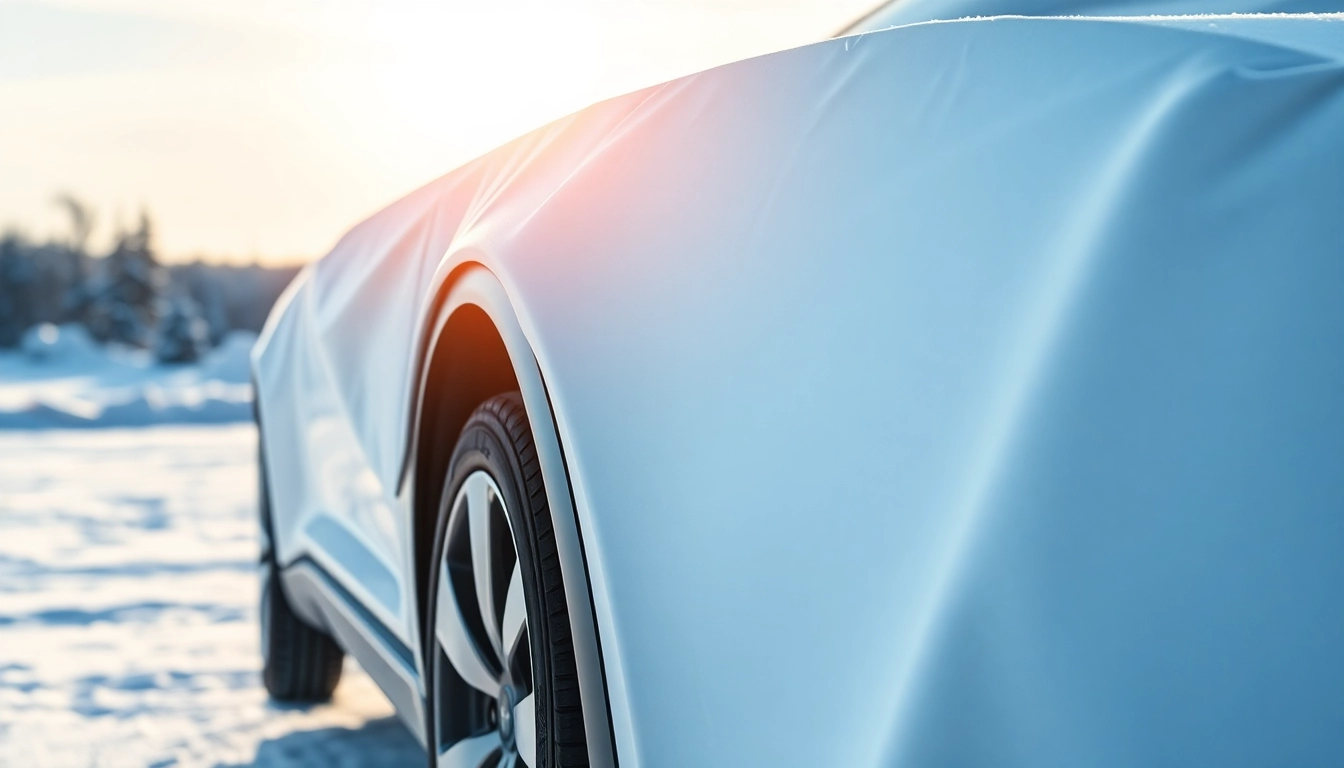
Paint Protection Film (PPF) is a durable, transparent layer that is applied to a vehicle’s exterior surfaces. Made from thermoplastic urethane, PPF is designed specifically to protect against physical damage, UV rays, chemical stains, and environmental contaminants. PPF is available in varying thicknesses and finishes, from high-gloss to matte, allowing vehicle owners to choose the best option that complements their desired appearance. This protective film acts as a barrier that absorbs minor impacts and scratches, thus preserving the underlying paint job from deterioration.
How Does PPF Protect Against Winter Elements?
During winter, vehicles are especially susceptible to damage due to road salt, ice, and other corrosive materials. PPF acts as a protective shield that prevents these elements from reaching the car's paint. Here's how it works:
- Barrier Against Corrosion: The film’s durable surface repels moisture and chemicals, minimizing the risk of corrosion from road salt.
- Impact Resistance: PPF can absorb small rocks and debris that can lead to chips and scratches on the paint, especially in icy conditions where sand and gravel are also used for traction.
- Self-Healing Properties: Many modern PPF products have self-healing capabilities, which allow minor scratches and swirl marks to disappear when exposed to heat, maintaining the film's clarity and appearance.
Benefits of PPF in Snowy Conditions
The application of PPF during winter provides numerous benefits for vehicle owners:
- Enhanced Appearance: PPF maintains the car’s original finish, ensuring it looks new even after battling winter's harshness.
- Less Frequent Washing: With PPF, it's easier to keep the car clean due to its smooth surface that repels dirt and grime.
- Increased Resale Value: A well-maintained exterior protected by PPF can lead to higher resale values, as buyers are often attracted to vehicles with pristine paint jobs.
Choosing the Right PPF for Winter
Choosing the appropriate paint protection film for winter conditions is crucial for maximizing its effectiveness. The right selection can provide optimal durability and protection against the elements while complementing your vehicle’s design.
Factors to Consider When Selecting PPF
When selecting PPF, consider the following factors:
- Thickness: Films range in thickness from 6 to 12 mils. Thicker films typically offer greater protection but may alter the vehicle's aesthetics.
- Finish: Opt for a finish that matches your vehicle’s paint; high-gloss finishes enhance shine, while matte finishes provide a more subtle look.
- Installation Techniques: Ensure that the film can be applied seamlessly to the contours of your vehicle without any bubbles or imperfections.
- Self-Healing Properties: Look for PPF that offers self-healing technology to minimize the appearance of minor scratches.
Top PPF Products for Winter Protection
While many brands offer paint protection films, some are particularly renowned for their performance in winter conditions:
- Xpel Ultimate Plus: Known for its excellent self-healing properties and clarity, it provides top-notch protection against road salt and corrosion.
- SunTek PPF: Offering great durability, SunTek films are UV resistant and help maintain the vehicle's appearance under harsh weather conditions.
- 3M Scotchgard Pro: This film utilizes advanced technology for unparalleled protection against chips, scratches, and weather elements.
Installation Options for PPF
Installation quality is crucial for the effectiveness of PPF. There are three primary options for installing paint protection films:
- Professional Installation: This is the most recommended option, where trained experts ensure a flawless, bubble-free application.
- DIY Kits: Some vehicle owners opt for Do-It-Yourself kits, available for those who are comfortable tackling the installation process. However, this requires precision and technique.
- Mobile Installation Services: Many companies offer on-site installation, providing the convenience of having the film installed at your home or workplace.
Maintenance Tips for PPF in Winter
To maintain the protective qualities of PPF during winter, following proper maintenance practices is essential. Neglect can lead to premature wear that diminishes its effectiveness.
How to Clean PPF Safely
Cleaning your PPF correctly ensures its longevity and performance:
- Use pH-Balanced Soaps: Avoid harsh chemicals that can damage the film. Opt for pH-balanced car soaps for routine washes.
- Soft Cloths: Always use microfiber towels to avoid scratching the film during cleaning.
- Avoid Automated Car Washes: These can introduce brushes and chemicals that may harm the PPF. Hand washing is preferable.
Avoiding Common PPF Mistakes
To prolong the life of your PPF, be wary of these common mistakes:
- Neglecting to Rinse: Always rinse off salt and grime immediately after exposure to avoid damage.
- Using Incorrect Cleaning Tools: Avoid sponges or anything abrasive that could scratch the film.
- Not Allowing for Curing Time: If the PPF is recently installed, avoid washing the vehicle for at least a week to allow the adhesive to properly bond.
Signs of PPF Wear and Tear
Being aware of signs of wear can help in taking preventative measures:
- Fading: Over time, UV rays can cause discoloration. If the film appears yellowed, it may need replacing.
- Peeling or Lifting: PPF should maintain a solid bond. If you notice edges lifting, consult a professional for possible re-application.
- Visible Scratches: Minor scratches are normal, but excessive wear indicates it might be time for a new application.
Cost Analysis of PPF Winter Road Salt Protection
Investing in PPF can seem costly upfront, but understanding its long-term benefits can provide a clearer picture of its value.
Initial Investment vs. Long-Term Benefits
The initial cost of PPF installation can vary based on vehicle size and film quality but typically ranges from a few hundred to several thousand dollars. However, the long-term benefits often outweigh the costs:
- Reduced Repair Costs: Protecting the original paint can save money on repainting and repairs due to chips and scratches caused by road salt.
- Longer Lasting Appearance: Cars with PPF tend to retain their resale value better, leading to higher returns when sold.
- Time-Saving: Less frequent washing and detailing can save you time and money.
Comparing PPF Costs Across Brands
When comparing costs, consider not just the price but also the quality and duration of protection offered:
- Budget Films: Cheaper options may save you money initially but could lead to more significant costs down the line due to less durability.
- Mid-Range Options: These provide a balance between cost and quality, offering decent protection without breaking the bank.
- Premium Films: Higher-end PPF products come with excellent warranties and durability, justifying their premium price.
Return on Investment for Vehicle Protection
Calculating the ROI on PPF can be simplified through a comparison of potential repair costs versus the initial investment:
- Cost of Typical Repairs: A single repaint job could run several thousand dollars.
- PPF Investment: In the long run, spending on PPF can save significantly on those repainting costs while keeping your vehicle looking brand new.
- Market Value: Vehicles with intact paint generally command higher resale values, providing a better return on investment.
Frequently Asked Questions About PPF Winter Road Salt Protection
What is the lifespan of PPF?
PPF can last anywhere from 5 to 10 years depending on usage, maintenance, and the quality of the film. Regular care extends its lifespan significantly.
Can I apply PPF myself?
While DIY kits exist, applying PPF requires skill and precision. Improper application can lead to bubbles and wrinkles, so professional installation is recommended for best results.
How does road salt affect my car?
Road salt can corrode metal and damage paint, leading to rust and costly repairs. PPF provides an effective barrier against these harmful elements.
Is PPF worth the investment?
Absolutely. PPF enhances resale value by protecting the paint, saves on repair costs, and maintains your vehicle's appearance over time.
What maintenance does PPF require?
PPF requires regular washing with pH-balanced soaps, avoidance of automatic car washes, and careful inspection for signs of wear to maintain its protective qualities.